Bay Area Friends of Tibet
Bay Area
Friends of Tibet
Search this site
147 results found with an empty search
- March 10 2013
On March 10th, SF Team Tibet***, as well as other groups around the world, will take to the streets to commemorate the 54th anniversary of the 1959 Tibetan National Uprising. We mark March 10th each year to show solidarity with Tibetans inside Tibet and to honor and support the brave resistance to the People's Republic of China's totalitarianism and its oppressive policies that continues to this day.Tibetans in Tibet are risking imprisonment, torture, and their lives to ensure their message is heard and... acted upon by the outside world. With the total confirmed number of Tibetan self-immolations inside Tibet at 126, we must act now. We cannot and will not back down until His Holiness the 14th Dalai Lama returns back to his home and human rights is restored. Freedom is our right, Bhoe gyalo! Schedule TBA (please remember to take the day off from work and/or school to join us) Video from March 10, 2013 54th Tibetan National Uprising Day March 10th 2013 at Berkeley City Hall 2013 Tibetan National Uprising Day San Francisco City Hall 2013 Tibetan National Uprising Day San Francisco Union Square 1 2013 Tibetan National Uprising Day San Francisco Union Square 2 ________________________________________ [1] More information about the nonviolent resistance movement in Tibet can be found at http://www.lhakar.org a website launched on March 9, 2011 by a diverse coalition of Tibetan writers, artists, and activists. [2] These numbers are as of February 25, 2013. The latest information on self-immolations including names and dates is available at https://savetibet.org/tibetan-self-immolations/ Statement by Leader Nancy Pelosi March 10, 2013 Statement by Rep. Jacki Speier on March 10, 2013
- Dhondup Wangchen Transferred to Another Chinese Prison
Press Release: Dhondup Wangchen Transferred to Another Chinese Prison January 21, 2013 Zurich, January 21, 2013: In an unusual move, it has been learned by Filming for Tibet that filmmaker and political prisoner Dhondup Wangchen has been transferred from Xichuan labour camp to Qinghai Provincial Women’s Prison, the main prison for women in China’s Qinghai province [1]. Following a visit to Dhondup Wangchen by close family members on January 15, 2013, Dhondup Wangchen spoke of previous harsh treatment at Xichuan labour camp, including several months of solitary confinement that started in March 2012. Although being held in improved conditions, Dhondup Wangchen and his family are unaware of the reasons for his transfer, particularly to a women’s prison with no other Tibetan inmates or political prisoners. “Although we are relieved to hear that Dhondup Wangchen is in stable health, we share Dhondup Wangchen’s own concerns as he says he feels isolated and alone in this prison,” said Gyaljong Tsetrin, cousin of Dhondup Wangchen and President of “Filming for Tibet”. “There is still well over a year until Dhondup Wangchen will have served his 6 year sentence for making ‘Leaving Fear Behind’, it is our wish that in this time Dhondup Wangchen suffer no maltreatment and be granted access to books so that he can study, something he has repeatedly requested but has been forbidden from doing,” continued Tsetrin. Around the world, individuals and groups have built a growing coalition for Dhondup Wangchen. In 2012, US based Committee to Protect Journalists awarded Dhondup Wangchen for his work and groups such as Amnesty International intensified campaign efforts. In the past, many Tibetan prisoners have been maltreated before release which leads to severe health problems. Dhondup Wangchen’s family hopes international awareness will prevent such problems and lead to his secure release. Notes: 1. The details of the prison are Qinghai Provincial Women’s Prison: 青海省女子监狱:青海省西宁市城中区南山路40号,邮政编码 810000. The photo below shows the location on Google Earth. Press Contacts: Gyaljong Tsetrin, President of “Filming for Tibet” and close friend of Jigme Gyatso, +41764626768 (Tibetan & Chinese) Dechen Pemba, “Filming for Tibet” spokesperson, +44 20 3286 7681 (English)
- Urgent Action: Tibetans Sentenced for "Inciting Self-Immolation"
From: bayareafriendsoftibet [mailto:bayareafriendsoftibet-bounces@tibet.org] On Behalf Of giovanni@friends-of-tibet.orgSent: Thursday, January 31, 2013 9:09 AMTo: BAFoTSubject: [BAFoT] [FWD: Urgent: Tibetans Sentenced for "inciting self-immolations"] Please call/email/write Secretary of State Hillary Clinton and/or John Kerry (http://contact-us.state.gov/app/answers/list) as well as the Chinese Ambassador to the US, Ambassador Zhang Yesui, (http://www.china-embassy.org/eng/sgxx/lxwm/) to take the urgent action for Tibet and the Tibetan people mentioned below. Also please make note of the Tibet Network's demands and other suggested actions and let me know if you have any questions. Thank you!Giovanni Vassallo | President | Bay Area Friends of Tibet415-264-3264 | giovanni@friends-of-tibet.org | www.friends-of-tibet.org Bay Area Friends of Tibet is the US West Coast's original Tibet Support Group, founded in 1983 by Tibetans and Friends of Tibet, including Tenzing Sonam, son of Lhamo Tsering, Chief of Operations of the Mustang Tibetan Resistance Force. BAFoT works as a Bridge between Tibetans and non-Tibetans and in cooperation with local, state, national, and international Tibet groups to educate the public about Tibet. BAFoT celebrates Tibetan culture and the struggle for Tibetan National Independence. See www.friends-of-tibet.org for more information about us and our Special Projects. -------- Original Message --------Subject: Urgent: Tibetans Sentenced for "inciting self-immolations"From: International Tibet NetworkDate: Thu, January 31, 2013 7:55 amTo: giovanni@friends-of-tibet.orgclick here to view this email in a browser International Tibet Network Members' Message31 January 2013Dear Network Members Urgent Take Action: Two Tibetans issued hefty sentences by a Chinese court having been found guilty of "intentional homicide" linked to the self-immolation protests.Lobsang Konchok, a 40-year old Tibetan monk, has been issued a suspended death sentence. While this very severe sentence is an outrage, note that a death sentence a two-year reprieve is almost always commuted to life imprisonment or reduced to a fixed-term after the suspended period has been served.Lobsang Tsering, his 31-year old nephew, has been given a 10 year prison sentence. A large number of other sentences, arrests and arbitrary detentions with reference to inolvement in "inciting self-immolation protets" are also known to have also taken place over the past few months, and we fear these are escalating. A recent report by Tibetan Centre for Human Rights and Democracy gives information about four monks from Gyalrong Tsodun Monastery who were sentenced terms between 10 years and six months - read the report HERERecommended Action:i) Contact your Foreign Ministries: Explain the situation and that more sentences are expected shortly; a large number of Tibetans have been arrested or detained with similar accusations expressed against them. Express your concern that Tibetans are at risk of torture and your view that China is basing its accusations on the sharing of information about events in Tibet with Tibetan exile Urge Foreign Ministries to do the following two actions:- Contact Chinese counterparts to express grave concern aboutthe severity of these sentences and urge China to adhere to internationally agreed legal standards- Call the Chinese Ambassador in your country to convey their concerns.ii) Contact your country's Beijing Embassy: Explain the situation and expression of concern as above. Ask them to seek full and detailed information about the sentencing and seek assurances that all Tibetan prisoners have the right to independent legal representation of their choice, and that torture will not be used to extract 'confessions'. Find Beijing Embassies contact details at:http://www.chinahighlights.com/embassy/embassy-in-china/beijing/ iii) Contact the Chinese Embassy in your country: Convey your own concerns as above and ask supporters to do the same. Best wishes Mandie
- Sikyong Dr. Lobsang Sangay Appeal to Tibetans Not to Celebrate Losar
Press Releasehttp://tibet.net/2013/01/24/sikyong-dr-lobsang-sangays-appeal-tibetans-n...24 January 2013 With profound grief, I report that the number of Tibetans who have set themselves on fire to protest against repression in Tibet is now reaching 100. In 2012 alone, 83 Tibetans self-immolated, and twenty-eight of these occurred within the single month of November. Now in the new year of 2013, I am saddened to inform you that three Tibetans have set themselves on fire. The most recent self-immolation by Kunchok Kyab, 26 years old, occurred just a few days ago. Given this continuing tragic situation, I request my fellow Tibetans to not celebrate Losar (Tibetan New Year) with our usual festivities. Instead, when this year’s holiday falls on February 11, I ask you to perform only the customary religious rituals like visiting temples and making offerings. Do wear our traditional robe (Chuba) to display our identity and tradition. Kindly pray for all who have sacrificed their lives and for all who continue to suffer in occupied Tibet. The Central Tibetan Administration (CTA) continues to appeal to Tibetans to not undertake drastic actions, and still, self-immolations persist in Tibet. The universal demands of the Tibetans have been the return of His Holiness the Dalai Lama to Tibet and freedom for Tibetans. This is the aspiration of Tibetans and our sacred duty to support. In our 10 March 2012 statement, we called on all Tibetans and friends to make 2012 a Tibet Lobby Year. Due to their dedication, this call has been successful: we have seen resolutions passed in the European Union (EU), France, Italy and the United States, and statements issued by parliamentarians in Brazil, Japan and other nations. The CTA expresses deep appreciation to these parliamentarians, and to global citizens, for their support. We also remain grateful to the United Nations Human Rights Commissioner, Human Rights Watch, Amnesty International, Reporters Without Borders and Freedom House for their attentiveness to and reports on the deteriorating situation in Tibet. Let us build on the successful lobbying efforts of 2012 by fully engaging throughout 2013 in the Solidarity With Tibet Campaign. This campaign’s first major event took place in New York on 10 December 2012 and the release of the video on self-immolation, “What’s China doing in Tibet?”. Within India, Tibetan parliamentarians are visiting state capitals to appraise and seek support from many prominent leaders. From Wednesday, 30th January to 2nd February 2013, thousands of Tibetans will converge in Delhi, India’s capital city, for a series of campaign activities. On 10 March 2013, Tibetans from various corners of Europe will gather in Brussels, the capital city of the EU, to observe the 54th Tibetan national uprising day. I urge all Tibetan Associations, Tibet Support Groups, international NGOs, people of all faiths, and friends of justice throughout the world to intensify efforts to lobby parliaments and governments. Call on the Chinese government to allow international delegation and media access into Tibet. Reach out to your local and national media and encourage them to write and broadcast about what is happening in Tibet. In all endeavors, please continue to conduct our campaign in a peaceful, legal and dignified manner. I appeal to our Chinese brothers and sisters to join us in supporting the aspirations of the Tibetan people. The CTA remains committed to the Middle-Way Approach and to resolve the issue of Tibet peacefully through dialogue. The responsibility as well as the solution for the current crisis in Tibet lies with the Chinese government. To our brothers and sisters in Tibet, we are with you every step of the way. The three principles of unity, innovation and self-reliance will guide us towards our goal of seeing His Holiness the Dalai Lama return to Tibet and restoring freedom for Tibetans. __________________________ Liaison Officer - Latin AmericaOFFICE OF TIBET241 East 32nd StreetNew York, NY 10016Tel: (212) 213 5010 extn. 11 To learn more about Tibet and the Tibetan culture in Spanish language, subscribe our quarterly newsletter, "Noticias del Tibet". You can also our website, www.spanish.tibetoffice.org
- Join the Rangzen Walk around the Bay Area March 23--30
Dear Friends, Please join me, Tibetans, and Americans for a Freedom - Rangzen Walk, taking any step along the 108-mile route to highlight Tibetan rights. Rangzen: The International Tibet Independence Movement will lead a March for Tibet's Independence in 2013, from March 23 to 30, in the Bay Area. March co-sponsors include Bay Area Friends of Tibet, Tibetan Association of Northern California, San Francisco Students for a Free Tibet, and San Francisco Regional Tibetan Youth Congress. We will March 108 miles from TANC's community center in Richmond, California, to Oakland and San Jose, ending at the Chinese Consulate in San Francisco. We are looking for walkers. If you would like to join the walk for the entire time, please contact Benjamin Cox at (773) 398-1178 or benjamin@rangzen.org, or Ngawang Norbu at (773) 321-2858 or ngwang16@yahoo.com. Let's show Tibetans in Tibet we are listening to them. Thank you - Sincerely, Giovanni Vassallo | President | Bay Area Friends of Tibet415-264-3264 | giovanni@friends-of-tibet.orgwww.friends-of-tibet.org FOR IMMEDIATE RELEASETibetans, Americans Converge To "March for Tibet's Independence" Following Self-Immolations in TibetJanuary 24, 2013Contact: Benjamin Cox (benjamin@rangzen.org or 773-398-1178)Ngawang Norbu (781) 572-5611 email: ngawang16@yahoo.com CHICAGO, IL – In solidarity with Tibetans suffering under brutal human rights abuses in China-occupied Tibet, Rangzen: The International Tibet Independence Movement will lead a 108-mile "March for Tibet's Independence" from March 23 – 30 in San Francisco, California. Tibetans and Tibet supporters from around the U.S. will join the march—Circle the Bay for Tibet—to protest the repressive conditions that have led Tibetans to set themselves on fire to demand basic freedoms and the return of the Dalai Lama, Tibet’s exiled leader. Co-sponsors for this walk currently include:- Bay Area Friends of Tibet -Tibetan Association of Northern California - Bay Area Students for a Free Tibet - San Francisco Regional Tibetan Youth Congress Time Magazine has described the spate of self-immolations in Tibet over the last few years as one of the most underreported stories of 2011, and the burnings have only continued to intensify. Self-immolation is a horrific form of protest that Americans first saw on television during the Vietnam War, and which touched off Tunisia's democratic uprising and the wider ‘Arab Spring.’ Its emergence in Tibet illustrates the despair of many Tibetans at their plight under Chinese occupation, now in its seventh decade. Chinese authorities have responded to the self-immolations in Tibet by sealing off much of Tibet to outside visitors and further militarizing the area, exacerbating the conditions that are driving the devastating wave of self-immolations. On December 5, 2012, Beijing's new leadership under Xi Jinping reinforced its hardline position on Tibet by announcing that anyone caught aiding or inciting self-immolations will be charged with murder. Nearly 100 Tibetans have set themselves on fire in Tibet since 2009 in protest of China’s continued occupation and to demand the return of the Dalai Lama from exile. The most recent immolation was a teenage boy in Tibet on January 24, 2013. This will be the 19th 'March' or 'Ride' for Tibet's independence organized by Rangzen (formerly ITIM) since 1995. The walkers and cyclists have covered 3,876 miles over 377 days since 1997 in their campaigns to generate awareness about the repression in Tibet by the Chinese government. Rangzen continues to organize walks for Tibet for several reasons: 1. To restore Tibet’s independence;2. To give voice to the Tibetans inside of Tibet who desire their freedom;3. Because Gendhun Choekyi Nyima (The Panchen Lama), Tenzin Delek Rinpoche and other Tibetans are imprisoned or missing; and4. Because the Dalai Lama, Tibet’s political and spiritual leader, is still living in exile. "We are walking in solidarity with our fellow Tibetans inside Tibet because the situation is very serious," said Ngawang Norbu, Rangzen board member. "Nearly 100 people have self-immolated. Their last wishes were for the freedom of the Tibetan people and return of His Holiness the Dalai Lama. We want to bring their message to the international community. The rising death toll in Tibet demands a new approach from world governments and concerned citizens. We want Tibetans inside Tibet to know that world is listening." Rangzen was co-founded in 1995 by Taktser Rinpoche (His Holiness The Dalai Lama's oldest brother) and Professor Larry Gerstein to obtain Tibet's independence through non-violent methods. There are over 10,000 supporters of this organization worldwide (www.rangzen.org). ### ********************************************************************** Bay Area Friends of Tibet is the US West Coast's original Tibet Support Group, founded in 1983 by Tibetans and Friends of Tibet, including Tenzing Sonam, son of Lhamo Tsering, Chief of Operations of the Mustang Tibetan Resistance Force. BAFoT works as a Bridge between Tibetans and non-Tibetans and in cooperation with local, state, national, and international Tibet groups to educate the public about Tibet. BAFoT celebrates Tibetan culture. See www.friends-of-tibet.org for more information about us and our Special Projects.
- Screening of “Leaving Fear Behind” with Lhamo Tso, wife of Dhondup Wangchen
Date: Saturday, September 8, 2012 - 6:00am Location: Bay Area Friends of Tibet1310 Fillmore Street #401San Francisco, CA 94115 Please RSVP to giovanni@friends-of-tibet.org or 415-264-3264
- History and Culture of Tibet
An Occupied Country For two millennia, Tibetan culture developed north of the Himalayas, gradually spreading through much of Central Asia. Home to an extensive monastic system and a vibrant lay cultur e, Tibetans thrived on scarce resources in a harsh climate. Today, Tibet is an illegally occupied country. Its people are outnumbered by Chinese settlers and its culture is rapidly disappearing. Invasion and Subjugation The Chinese army invaded Tibet in 1949. After an abortive national rebellion against Chinese rule in 1959, His Holiness the Dalai Lama, Tibet's head of state and spiritual leader, and some 80,000 Tibetans fled their country into exile. By 1997, this number had reached 130,000. By the mid 1980s, over 1.2 million Tibetans died of starvation, forced labor and execution; thousands of Tibetans were imprisoned and tortured for their beliefs; and all but a handful of Tibet's 6,000 monasteries were destroyed. A Minority in Their Own Land Since the early 1980s, China's policy of encouraging Chinese immigration to Tibet has become the single greatest threat to Tibetan culture. Chinese in Tibet now outnumber Tibetans 7.5 to 6 million. Of more than 12,000 shops in Tibet's capital, Lhasa, fewer than 300 are Tibetan-owned. China's 1992 economic "opening" of Tibet to foreign development is creating jobs for Chinese immigrants, jobs for which Tibetans are not trained, and further economically marginalizing Tibetans. 17 Points of Disagreement 60 Years of China's Failed Policies in Tibet The Crisis in Tibet Tibetans have responded with non-violent demonstrations calling for independence. From September 1987 to March 1989, protests gathered momentum and international attention until China imposed strict martial law. Although martial law was lifted in 1990, thousands of Chinese troops remain in Tibet. Political unrest continues and is spreading to Tibet's smaller towns and more remote regions. Meanwhile, China continues its widespread campaign of forced abortions and sterilizations, pervasive persecution of Tibetan Buddhism, and accelerating depletion of Tibet's timber and mineral resources. Tibet in Exile Tibetan refugees have resettled in communities throughout India, Nepal and the rest of the world. Tibetans continue to flee persecution in Tibet in record numbers. Led by the Dalai Lama, the 1989 Nobel Peace Laureate, Tibetans struggle to retain their culture in exile. With the long-term goal of regaining Tibetan independence, the Dalai Lama has outlined a Five Point Peace Plan for Tibet which would: Transform Tibet into a zone of peace; Stop the mass transfer of Chinese into Tibet; Respect human rights; Protect Tibet's natural environment; and Commence earnest negotiations with China. The Chinese government has repeatedly opposed any negotiations with the Dalai Lama and the Tibetan Government in Exile and the brutal oppression of Tibetans continues unabated. Tibet's Status in the World The United Nations, the US Congress, the European Parliament, Asia Watch and Amnesty International have all condemned China's repeated violations of human rights and international law in Tibet. In 1989, the US Congress proclaimed Tibet an "occupied country whose true representatives are the Dalai Lama and the Tibetan Government in Exile." However, successive US administrations have officially considered Tibet part of China and have refused to treat the Dalai Lama as a political leader.
- Himalayan Fair, 2012
Date: Saturday, May 19, 2012 - 7:00am to Sunday, May 20, 2012 - 4:00pm Location: Live Oak Park in Berkeley, California
- Screening of "Old Dog" at the SF International Film Festival
Date: Saturday, April 21, 2012 - 11:00pm to Thursday, April 26, 2012 - 11:00pm Location: SF International Film Festival Old DogDir: Pema Tseden From the leading filmmaker of the New Tibetan Cinema comes this mesmerizing, emotionally gripping story about an old sheepherder and his grown son, a visually stunning portrait of rural anomie that takes a completely modern approach to narrative, patiently accumulating detail by telling detail. (China/Tibet 2011, 88 min). http://festival.sffs.org/films/film_details.php?id=71
- March 10 2012 Report
Bay Area Tibetans & Supporters Commemorate the 53rd anniversary of the Tibetan National Uprising Day March 10, 2012 Vow to intensify efforts to secure government action, as instances of self-immolation in Tibet escalate By San Francisco Team Tibet San Francisco, CA - Some 500 Tibetans and Tibet supporters took to the streets of San Francisco on March 10th to mark the 53rd anniversary of Tibetan National Uprising, when thousands of Tibetans rose up against China's invasion and occupation of Tibet, defiantly resisting the repressive policies that continue today and have provoked an unprecedented wave of self-immolations by Tibetan monks, nuns and laypeople. The program began at Berkeley City Hall, with the raising of the Tibetan national flag on the city flagpole and speeches by Tibetan representatives, Berkeley Councilmember Kriss Worthington and Richmond Mayor Gayle McLaughlin. "The struggle of the people of Tibet is a basic struggle for self-determination, and I am in solidarity with that struggle. The human rights abuses by the Chinese authorities must stop. I am just learning about the rich history of Tibet and how it existed as an independent sovereign nation, for hundreds of years prior to the Chinese occupation in 1959," Mayor Mclaughlin said. "It is important that all advocates of Human Rights in the US and i might add all government officials in the US take a stand with the people of Tibet. Not only must we stand in solidarity, we must make it clear that this Chinese government is at fault for deep human rights violations and bringing detentions to this point," she said. Honorable Berkeley Council member Kriss Worthington, urged individuals to stand in solidarity with the Tibetan people. "It is time to say enough is enough," it is time to tell Hillary Clinton to sign the pledge to standupfortibet - It is time for President Obama to StandUpforTibet,"he said. The city of Berkeley unanimously voted to pass a resolution in support of the "Tibetan peoples struggle for freedom - we stand in solidarity." Video can be viewed here : http://bit.ly/A4OUSQ Tibetans and supporters then gathered at Justin Herman Plaza, in front of the historic San Francisco Ferry Building, for a kickoff rally featuring rousing speeches, a profile of each of the self-immolators, and a graphic die-in during which protesters laid down to symbolize the millions of Tibetans who died as a direct result of the illegal Chinese occupation of Tibet. "On the 53rd anniversary of March 10th, Tibetans are still demanding independence and the freedom to be Tibetan - to speak Tibetan, to practice our Buddhist religion, to live free in our own country," Tenzin Tsedup, President of the Tibetan Association in Northern California said. "Today people around the world are in the streets standing up to say, we are with you; the Tibetan struggle is a human struggle; we stand with you until Tibet is free." The protesters then marched through the heart of downtown San Francisco along Market Street, led by a massive truck displaying a large portrait of His Holiness the 14th Dalai Lama, alongside banners and Tibetan flags, and stopping at United Nations Plaza for a die-in in front of the Federal Building. "I am marching in solidarity with the Tibetan people as they demand independence, human rights and the return of His Holiness the Dalai Lama to Tibet. I come from the Philippines, a country and people with our own history of resistance against colonizers and occupying foreign imperialist forces," Former Students for a Free Tibet US Grassrooots Director Kalaya'an Mendoza said. "This is why I stand with Tibet and the Tibetan people. It's about solidarity, not charity," he said. The crowd of hundreds then laid around the message "Enough! StandUpforTibet.org," chalked on the ground of the plaza. Simultaneously, a large airplane banner with the message "Tibet is burning, standupfortibet.org" was flying in the sky around San Francisco for an hour while protesters marched through the streets of San Francisco. "This past year, over 25 Tibetans lit their bodies on fire in the most direct rejection of Chinese rule and to call out for help from the global community," said Tashi Namgyal, President of the San Francisco Regional Tibetan Youth Congress. "As three Tibetans nearing the third week of a hunger strike waste away in front of the UN headquarters in New York, we say "ENOUGH! to Beijing's violence and call on the UN Human Rights Council to condemn China's crackdown in Tibet when they meet next week." The demonstrations continued past San Francisco City Hall to the Chinese Consulate, where a 40' balloon banner reading, "Xi Jinping: Tibet Will Be Free" was hoisted into the air by Duane Martinez, Tenzin Gyaltsen, Dorjee Tashi, Tenzin Yeshi, and Tenzin Choephel. Despite the windy conditions, the banner team was able to keep the banner facing the continuous traffic along Geary Boulevard and the Consulate building. With most of the eastbound lanes on Geary Boulevard blocked off, protesters gathered before the Consulate and listened to speakers from Amnesty International, the Chinese Democracy community, Former Tibetan Prime Minister Tenzin Tethong Namgyal. Former SFRTYC President Topden Tsering dedicated a poem to the Tibetans in Tibet. "Off we go, O brothers and sisters, to our lives bidding farewell, giving up our bodies; in your hands, now leaving: our sacred ravaged land, our one fatherland," he said. The official statements from the Tibetan Government in Exile and Tibetan Youth Congress were read by TANC Vice President Tenzin Palzom and SFRTYC President Tashi Wangden. In a climactic end to the protest at the Consulate, Chinese-Human rights activist Albert Chan made demands to the Chinese government to stop its rule over Tibet while burning the Chinese national flag which he said represents lies, torture, human rights violations, tough re-education programs that resulted in the death of millions of Tibetans in their struggle for a Free Tibet. Protestors gathered in the evening at Union Square, in the heart of San Francisco's tourist and shopping district, for a candlelight vigil and freedom concert, featuring statements of support from representatives of the offices of Senator Nancy Pelosi and Representative Jackie Speier and a speech by Chinese Democracy activist Fang Zheng, who tragically lost both of his legs at the 1989 Tiananmen Square protests. Representatives of the Tibetan Assocation of Northern California, San Francisco Tibetan Youth Congress, Students for a Free Tibet, and Bay Area Friends of Tibet also spoke on the significance of March 10th, the self-immolations and current situation in Tibet, and how supporters could get involved by petitioning the United Nations to intervene by sending an official fact-finding mission to Tibet. "For over 53 years Tibetans have repeatedly and clearly rejected the state of total control imposed by Chinese authorities. The Tibetan people are extremely committed more than ever to leaving their own personal fears behind as they resist the Chinese government's oppresive and illegal occupation. We call on China to stop the war against the Tibetan people, allow unfettered media access in Tibetan areas, and withdraw its military forces from Tibet." said Giovanni Vassallo, president of Bay Area Friends of Tibet. Patriotic songs in English and Tibetan echoed through the square, while hundreds of candles flickered before the pictures of the self-immolators. SFRTYC President Tashi Wangden, then presented the crowd with messages from the three Tibetan hunger-striker. Video can be viewed here : http://bit.ly/zBJotX Bay Area Students for a Free Tibet then emphasized on the current non-violent resistance happening all across Tibet and discussed the Tibetan nomads right campaign. They pointed out the victories of Tibetan Villagers who had successfully halted a controversial mining operation that threatened Ka-wa-ghebo, one of the most sacred peaks in the Tibetan world by throwing $300,000 worth of mining equipment into the river, and the Lhakar movement, where Tibetans are protecting their language, culture, tradition and identity by eating Tibetan food, wearing the traditional Tibetan chupa, and eating only Tibetan food to support their Tibetan community. "These are actions Tibetans in Tibet have taken on a grassroots level through non-violence means to resist the illegal Chinese occupation of Tibet. In the past year, Egyptians, Tunesian, Libyans, Syrians, and people around the world have risen up and shown that time is up for dictators," said Tenzin Tselha, Member of UC Berkeley Students for a Free Tibet. "Through the self-immolations, the protests, the acts of civil disobedience, Tibetans are also saying that one more day under the Chinese regime is too long - we want to be free now, it is our right to be free now and it is not a matter of if but of when for Tibet."State and local representatives released statements on this day to commemorate the many Tibetan lives lost in their struggle for freedom. "We pray for and end to Chinese rule and the imprisonment of Tibetans who are barred from the free practice of their faith. No regime, no government can break the bond between the Dalai Lama and the Tibetan people," United States Congresswoman Jackie Speier said in her statement. Statements can we viewed here : Rep. Jackie Speier Rep. Nancy Pelosi "On this anniversary, we call on the Chinese government to cease its religious repression, allow access to the region by journalists and international observers, and release Tibetan political prisoners, including the 11th Panchen Lama, Gedun Choekyi Nyima who was kidnapped as a young bo,"said Democratic Leader Nancy Pelosi in her statement of support. "The cause of Tibet continues to be a challenge to the conscience of the world. We must heed the guidance of His Holiness the Dalai Lama, and we must not forget the people of Tibet and their ongoing struggle." Photos of the event can be viewed here: http://www.facebook.com/media/set/?set=a.195420940567224.38559.100002979592188&type=1 http://www.flickr.com/photos/yowangdu/sets/72157629207064760/ - YoWangdu's Flickr https://picasaweb.google.com/102759124177285197074/SanFranciscoMarch10201202 - Namgyal Tesur http://www.flickr.com/photos/42489015@N02/with/6974601965/ - Wangden Phuntsok http://www.flickr.com/search/?w=all&q=san+francisco+tibet+&m=text - Jon W The demonstrations were organized by San Francisco Team Tibet, a coalition of organizations advocating for Tibet: Tibetan Association of Northern California, San Francisco Regional Tibetan Youth Congress, Bay Area Students for a Free Tibet, and Bay Area Friends of Tibet.
- March 10 2012
Rally Commemorating the 53rd anniversary of the Tibetan National Uprising Day! Saturday March 10 2012 9 AM - 8 PMBerkeley City Hall, Justin Herman Plaza, U.N. Plaza,Chinese Consulate, Union Square 9 - 10 AM: Tibetan Flag raising ceremony at the Berkeley City Hall, Berkeley, CA 10:30 - 11 AM: Rally at Justin Herman Plaza Then March along Market St. toward City Hall. 11:45 - 12:30 PM: March to U.N. Plaza 12:30- 2:30 PM: Protest/Rally in front of the Chinese consulate 4:30 - 8 PM: Candlelight Vigil at Union Square - San Francisco Contact: Tenzin ShakyaEmail: Tenzins106@gmail.com Phone: 510-682-9024 Since March 10, 1959, 1.2 million Tibetans have been killed directly or indirectly as a result of the Chinese rule in Tibet. Over 150,000 Tibetans were forced to flee Tibet to freedom in exile and thousands attempt to escape every year. A cultural genocide ensued; Tibetans are now a minority in their own homeland, 6,000 Tibetan Buddhist monasteries were destroyed, and Tibet’s top religious leaders and forced to live in exile. Hundreds of Tibetans and supporters will join forces with local Tibet organizations to commemorate the Tibetan National Uprising Day with flag-raising, rallies, marches, and a candlelight vigil in Berkeley and San Francisco. His Holiness the Dalai Lama was also forced to flee Tibet and since then has been situated as Tibet's temporal leader at the Tibetan Government is Exile. The Dalai Lama recently met with President Obama and discussed the situation in Tibet. The Dalai Lama has since advocated for greater dialogue between China and Tibet. The situation in Tibet right now is desperate, and we want the Tibetans inside Tibet to know that the people around the world support their call for greater freedom towards their daily lives: freedom of religion, freedom of speech, freedom to equal opportunity, and freedom to carry on their traditions as Tibetans in Tibet and maintain their Tibetan identity. We call on the Chinese government to immediately end its extreme repression in Tibet. The revolt of March 10, 1959 failed to liberate Tibet but the struggle within the country for human rights and basic freedoms continues and will continue until the Tibetans in Tibet have regained their freedom! Please join us in support of Tibet and greater dialogue between Tibet and China!
- Candlelight Vigil
Date: Friday, January 20, 2012 - 5:30pm to 7:30pm Location: Chinese ConsulateLaguna & Geary in San Francisco STAND UP FOR TIBETCandlelight Vigil for Tibet in front of the Chinese Consulate 20 January 2012 - 6:30-8:30 PM --Laguna & Geary Blvd., San Francisco Self-immolations continue and spread into Tibet in 2012 (San Francisco, 19 January 2012). In 2012, four Tibetans have set themselves on fire in a new form of protest and sacrifice in Tibet. All four have died. 12 of the 17 self-immolations since February, 2009, happened in the region of Ngaba (Ch: Aba) (the Tibetan area of Amdo), where an escalation of tensions has been registered. On 14 January, a young Tibetan layperson set himself on fire in the main town of Ngaba. To the horror of onlookers, he was subjected to violent beatings by police who were extinguishing the flames. This caused Tibetans to gather in protest, and some hours later police fired tear-gas and shot into the crowd, injuring at least two Tibetans. There are serious fears of repercussions for Tibetans involved, or suspected of being involved, in the protest at a time of escalating tension. The worsening situation in Ngaba, Tibet is an indicator of the deeply repressive climate in Tibet today, and points to the need for the international community to make robust representations to China to address their failed policies, and to urgently allow monks, nuns and lay people space to practice their religion freely. SF Team Tibet calls upon the international community to press the Chinese authorities to use restraint in Ngaba following the latest self-immolation as a matter of urgency. SF Team Tibet will be hosting a candlelight vigil in front of the Consulate of the People's Republic of China in San Francisco and a short march on Geary Blvd as well as Fillmore St. Together they: urge the Chinese authorities to respect human rights in China-occupied Tibet as in all other Tibetan areas to prevent an escalation of similar acts; call on the Chinese government to uphold international human rights treaties which China is party to; and, urge the Chinese authorities to resume dialogue with the envoys of the Dalai Lama and to guarantee economic, social and cultural / religious rights to the Tibetan people. Contact: Giovanni Vassallo 415-264-3264 or giovanni@friends-of-tibet.org
- 26TH ANNUAL TIBET DAY
BAFoT Celebrates 28 Years of Education and Nonviolent Resistance On October 2nd the Bay Area Friends of Tibet (BAFoT) invites you to join us for a spectacular and enchanting Sunset Dinner Cruise on San Francisco Bay to support our efforts on behalf of Tibet and its people. This special celebration dinner cruise will feature delicious and exotic Tibetan and Indian foods aboard the classic luxury yacht, the Empress. At this event you will have the opportunity to not only support the work of BAFoT, but to learn about the issues facing Tibet today, and to celebrate the unique religious and cultural contributions of Tibet. Proceeds from this event will also support BAFoT’s efforts on behalf of human rights in Tibet, and provide funding for special initiatives that have a direct impact on the quality of life of Tibetan communities in the U.S., India, Nepal, Bhutan and Tibet. This celebration is set to coincide with the 136th birthday of Mahatma Gandhi, whose model of nonviolent civil disobedience serves as an inspiration for the nonviolent resistance that is part of BAFoT’s mission. There will be a silent auction and raffle during the cruise. As a 501(c)(3) nonprofit organization, over-bids on auction items may be tax-deductible. Reserve your tickets today, seating is limited. By joining us on this cruise you will be helping Tibetans throughout the world. For additional information contact BAFoT at 415-264-3264. Since the Chinese occupation of Tibet in 1950, tens of thousands of Tibetans have gone into exile; refugees fleeing persecution, resettling in India, Nepal and other countries. Though displaced from their homeland, they hope for a return of autonomy for Tibet, and work to preserve the valuable religious and cultural heritage of their country. The Bay Area Friends of Tibet became involved in the resettlement of Tibetan refugees when the 1990 Immigration Act opened the door to 1,000 Tibetans and their families to resettle in the United States. San Francisco was among 10 designated resettlement sites across America. Since that time, the Bay Area Tibetan community has grown to be the third largest in the country, and BAFoT continues to work with them toward freedom for Tibet, raising public awareness of the plight of Tibet, and helping preserve the Tibetan heritage for this and future generations. Our work is made possible through the generosity of volunteers and donors throughout the community.
- March to SF City Hall and Chinese Consulate
Date: Wednesday, November 2, 2011 - 9:00am Location: UN Plaza San Francisco Global Intervention to Save Tibetan LivesJoin us in saying "Enough is Enough!" Join Us! What: Protest rally and march through the streets of San Francisco When: Wednesday 11/2/11 Where: San Francisco, CA Why: Part of a global campaign on 11/2, a day before the G20 summit begins, to show Tibetans in Ngaba and across Tibet that their deep pain and suffering has not gone unnoticed by the world Since March 2011, nine young Tibetans have set themselves on fire in acts of self-immolation, seven of them since September 26. Tibet is burning and Tibetans need world leaders to intervene. Most immediately, we must pressure China to withdraw its security forces from Ngaba and stop the ongoing harassment and torture of Tibetan monks at Kirti monastery. Visit StandupforTibet.org and PLEDGE to SUPPORT TIBET! Schedule: 10AM - Kick-Off at United Nations Plaza (by Civic Center BART), San Francisco, CA 10:30AM-12PM - Rally at City Hall, 1 Dr. Carlton B. Goodlett Pl, San Francisco, CA 12PM-12:45PM - March (via Van Ness & Geary Streets) from City Hall to Chinese Consulate 12:45PM-3PM - Protest at Chinese Consulate, 1450 Laguna St, San Francisco, CA 5PM-8PM - Candle Light Vigil & Freedom Concert at Union Square, San Francisco, CA More details at www.tanc.org or www.sfrtyc.org
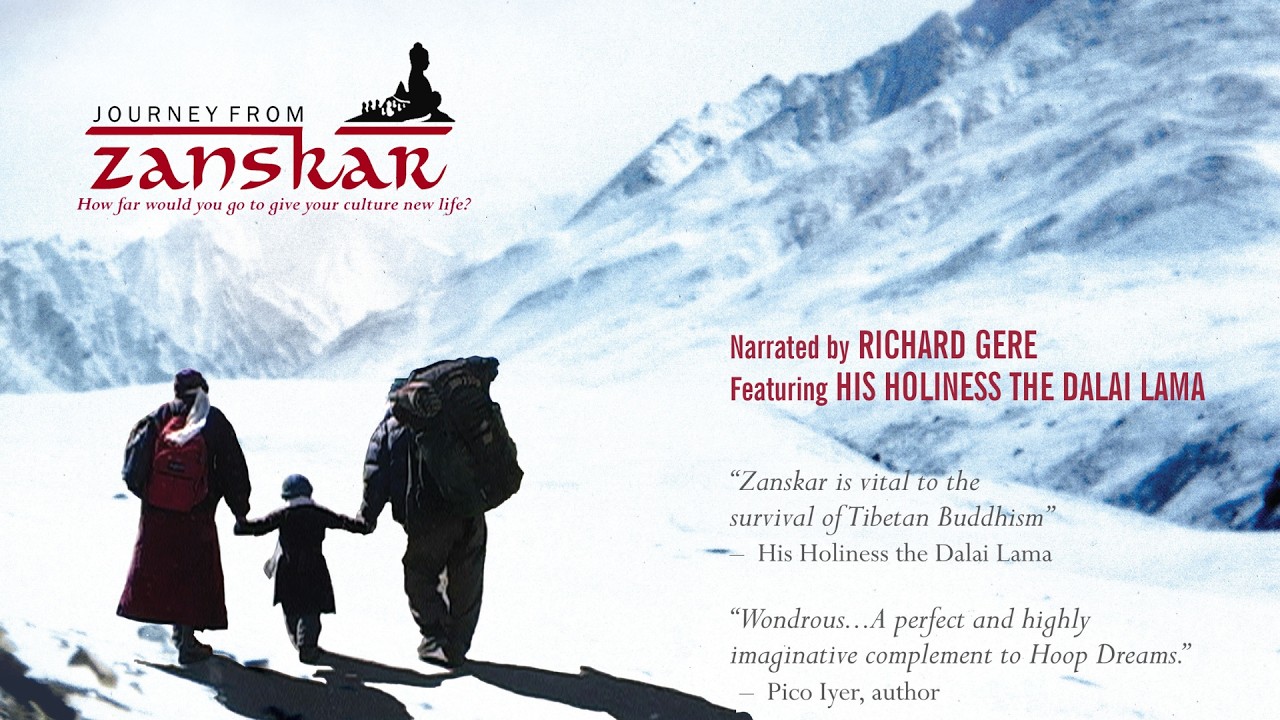
- Screening of "Journey from Zanskar: A Monk's Vow to Children Introductory remarks by Geshe Lobsang Yonten (Save Zanskar)
Date: Wednesday, October 19, 2011 - 6:30pm Location: Bldg. 320 Room 105Main Quad, Stanford University
- Tsok offering for late Eminence Trulshik Rinpoche, late Kalon Tripa Juchen Thupten Namgyal and all Tibetan Martyrs
Date: Friday, October 21, 2011 - 6:00pm Location: TANC Community Center 5200 Huntington, Richmond
- 17 Points of Disagreement
60 Years of China's Failed Policies in Tibet It is over 60 years since China's army invaded Tibet. In May 2011 China will mark what – in a gross distortion of events – it calls the ‘Peaceful Liberation of Tibet’. For Tibetans and their supporters, it is 60 years since the People’s Republic of China moved aggressively to consolidate its military occupation of Tibet. The ‘17 Point Agreement’, signed on 23 May 1951 by the Chinese government and by the Tibetan government under duress, collapsed under growing opposition to Chinese rule among Tibetans and the escape of the Dalai Lama in 1959. For 60 years now China has ruled Tibet; 60 years in which to win Tibetan hearts and minds, to weaken the influence of the exiled Dalai Lama, and to assimilate Tibet into mainland China. Yet Tibetans over the decades have rejected and continue to actively resist Chinese rule, through protests, non-violent direct action, or by fleeing into exile. Exactly ten years ago, the official press in Tibet said, “Through 50 years of glorious history…the cadres and the masses of every ethnic group have become further convinced that only under the guidance of the Chinese Communist Party, within the great family of the motherland, and only by taking the socialist road, will there be a happy today and a bright tomorrow for Tibet. Therefore, in celebrating such a glorious occasion, the people of every ethnic group in our region must again sing out loud throughout the plateau the benefits of having the communist party, socialism, liberalised reforms, and a united people.” Within a few years of these sweeping declarations, Tibetans across the plateau once again rose up in the most widespread and resolute protests yet; a clear denunciation of Chinese rule. The overwhelmingly peaceful demonstrations of 2008 were characterized by the participation of young people, many carrying photographs of the Dalai Lama and calling for his return. Despite a savage crackdown, protests and other more subtle forms of resistance continue today. The Tibetan national identity is stronger than ever. As part of a cultural renaissance in Tibet, Tibetan singers and writers are calling on Tibetans to be unified across the provinces of Kham, Amdo and U’Tsang. Their lyrics foretell the return of the Dalai Lama, and the unification of Tibetans in Tibet and in exile; arguably Tibetans are more united as a nation now than ever before. 60 years of Chinese rule has far from crushed the Tibetan spirit and in spite of all the suffering, the Tibetan resolve persists. This report lists ‘17 Points of Disagreement’ between China and Members of the International Tibet Network, a global coalition of 180 Tibet groups dedicated to campaigning to restore the rights of the Tibetan people. It has been written to counter China’s expected propaganda drive. 1. Military Occupation not Peaceful Liberation China says: “The peaceful liberation of Tibet was a major event in modern Chinese history and an epoch-making turning point in the course of development in Tibet.” — President Hu Jintao Reality: China’s ‘peaceful liberation’ of Tibet was a military invasion that began in 1949; on 7 October 1950, 40,000 troops from the People’s Liberation Army crossed the Drichu (Yangtse) river into central Tibet. Hopelessly outnumbered, the Tibetan army surrendered; Tibet, an independent country since 1911, became an occupied state. Chinese persecution steadily increased, as did Tibetan resistance; in March 1959 popular protests erupted in Lhasa. When the PLA began shelling the city the Dalai Lama was forced to escape Tibet. China stated 87,000 Tibetans were killed or arrested as a result of the Uprising. In 1989 Martial Law was imposed and China still maintains a strong military presence, with estimates of between 150,000–500,000 PLA troops stationed on the Tibetan Plateau. 2. Tibetans: A Nation not a Minority China says: “As a member of the big family of the Chinese nation, the Tibetan people have created and developed their brilliant and distinctive culture during a long history of continuous exchanges and contacts with other ethnic groups.” — Liu Yandong, United Front Reality: The PRC claims Tibetans are among 56 ethnic nationalities bound closer together by a common destiny. This fabrication, rooted in China’s deep historical ethnocentrism, became the foundation for China’s colonization of Tibet and other neighboring territories. Tibet is not only a clearly defined nation, but the government of Tibet fulfilled the criteria of a sovereign state three decades before the founding of the PRC. Prior to the invasion, Tibetans and Chinese had little to no contact and China did not formally exercise control over Tibet. China’s leaders however classified Tibetans as ‘barbaric uncivilized’ peoples that should be assimilated or eliminated. Tibetans, fiercely proud and independent, showed no signs of assimilating and thus the CCP pursued policies to eliminate the Tibetan nation. 3. Rule by Force not Consent China says: “We must build up a Great Wall in our fight against separatism and safeguard the unity of the motherland, and push Tibet’s basic stability towards long-term stability.” — Hu Jintao Reality: After 60 years China still relies on military and paramilitary control of Tibet, control which is stepped up around sensitive anniversaries. Mass protests have continued across Tibetan areas since 2008, for example in Ngaba, March 2011. There are at least 824 political prisoners in Tibet. China now spends more on public security than it does on defence. China has never accounted for the thousands it detained in 2008 nor the deaths that have resulted from its security measures, for example the 2006 fatal shooting by Chinese border police of 17-year-old nun Kelsang Namtso. 4. Poverty not Prosperity China says: “The region’s GDP reached 50.8 billion yuan (US$7.75 billion) in 2010, with an annual growth rate of 12.4%. The per capita net income of both farmers and herdsmen hit 4,319 yuan, double that of 2005.” — TAR Governor Padma Choling Reality: Despite vast investment in the TAR – 310 billion Yuan (US$45.4 billion) since 2001 – funds mainly benefited Chinese migrants and have actually contributed to the economic marginalisation of Tibetans. Economist Andrew Fischer, who analysed Chinese government statistics, calls Tibet’s growth ‘ethnically exclusionary.’ The speed and scale of Han Chinese migration onto the Tibetan plateau, and the unequal business and employment opportunities this migration creates, were some of the driving forces behind protests in Lhasa in 2008. 5. Dalai Lama: Peace Icon not Wolf China says: “We are in the midst of a fierce struggle involving blood and fire, a life and death struggle with the Dalai clique.” — TAR Party Secretary Zhang Qingli Reality: The Dalai Lama is the preeminent representative of the Tibetan people and a globally respected icon of peace. He is viewed by Beijing as enemy number one, described as a “wolf in monk’s robes” and “a monster with human face.” His image is banned in Tibet. During the 2008 Uprising, Tibetans of all ages risked their lives to demand the Dalai Lama’s return. China accused him and his ‘splittist’ supporters of inciting the protests. His recent decision to devolve political power to an elected leadership has only strengthened his position; he remains the free spokesperson of the Tibetan nation. 6. Language: Assimilation not Protection China says: “All nationalities have the freedom to use and develop their own spoken and written languages.” — Article 4, Constitution of the PRC Reality: There are few lucrative job prospects for Tibetans who have not been educated in Chinese, nor can a student educated in Tibetan acquire professional qualifications at college or university. Since 2008 China has intensified efforts to marginalize the Tibetan language in favour of Chinese. In October 2010 over 10,000 Tibetan students and teachers protested against proposed education reforms by Qinghai Province, which aimed to change the primary language of instruction from Tibetan to Chinese. Street signs are in Chinese, official documents generally only available in Chinese, and letters addressed in Tibetan are not delivered. In spite of China’s efforts, a resurgence of the Tibetan language as an expression of identity is underway in Tibet. 7. Occupation is No Holiday China says: “Tibet’s tourism revenue reached 22.62 billion yuan, averaging a 30% rise a year…the local tourism administration estimate tourist arrivals will hit 15 million in 2015.” — Padma Choling Reality: With millions of domestic and international visitors each year, Beijing expects tourism, a designated ‘pillar industry’, to accelerate economic development in Tibet. Whilst attempting to maximize tourism’s profitability, the authorities control what tourists see and understand. Tour guides and hoteliers are under pressure to provide an officially sanctioned version of Tibetan history. Tour guides face suspension and even imprisonment for perceived indiscretions including befriending tourists or disregarding the party line. In March 2011, coinciding with the anniversaries of the Uprisings of 1959 and 2008, the TAR was closed to tourists due to “limited accommodation capacity,” despite several international hotels, including the St Regis, having recently opened in Lhasa. 8. Oppression not Emancipation China says: “Without the peaceful liberation of Tibet, the entry of the CCP and the PLA, those oppressed and enslaved Tibetan people would not have deeply understood the policy of the CCP.” — Zhu Weiqun, United Front Reality: The Chinese Communist Party claims it liberated Tibet from the “oppressive, feudal rule of the Dalai Lama,” a medieval, oppressive society consisting of “landowners, serfs and slaves.” In March 2009 the Dalai Lama said that Beijing’s policies “thrust Tibetans into such depths of suffering and hardship that they literally experienced hell on Earth.” Ultimately, Beijing’s condemnation of Tibet’s ‘feudal’ past is a classic colonialist argument – ‘backwardness’ serving as a justification for invasion. Pre-invasion, many Tibetans recognized inequalities in their system and the Dalai Lama had begun to promote improvements. The founding of ‘serf-emancipation day’ in 2009 is symbolic of China’s continued colonial vision of Tibet, while the exiled Tibetan government is now a democracy. 9. Religious Repression Not Freedom China says: “The region has perfectly implemented a policy granting freedom in religious belief and ensuring all Tibetan people enjoy such a right.” — Qin Yizhi, Lhasa Party Secretary Reality: Since China’s occupation, Tibetan Buddhism has been under attack to undermine the core belief system at its heart and sever loyalty to the Dalai Lama. An estimated 6,000 monasteries were destroyed and today the number of monks and nuns are vastly reduced, religious institutions tightly controlled and ‘patriotic re-education’ campaigns regularly carried out. In April 2011, over 300 monks were removed from Kirti Monastery in eastern Tibet following protests. In 1995, six-year-old Gedhun Choekyi Nyima, the Dalai Lama’s choice of 11th Panchen Lama, disappeared and remains missing, and in 1999 the 17th Karmapa felt compelled to flee Tibet. China now insists that permission to reincarnate must be given by the government. 10. Crisis at the Third Pole China says: Strengthening environmental protection on the Tibetan plateau is important for “maintaining border stability, ethnic unity and the building of a well-off society.” — State Council statement Reality: Tibet, known as the Third Pole because it holds the third largest store of glacial freshwater, is warming twice as fast as the rest of the world. Glacial melt from the plateau is disrupting water supplies, threatening sustainable livelihoods and putting more than one billion downstream peoples at risk. Since occupying Tibet, China’s policies have brought region-wide famine, desertification on the grasslands, acute flooding from clear-cutting Tibet’s forests, and environmental destruction through unregulated mining. China’s solution is to build more dams, denying downstream users a stable water supply. In turn, China blames Tibet’s nomads, not its own policies, for threatening China’s precious water resources. 11. Colonization with Chinese Characteristics China says: “In carrying out the strategy of large-scale western development, development will be greatly accelerated and human talent will flow westward.” — Li Dezhu, State Ethnic Affairs Commission Reality: A 1980s ‘open door’ policy encouraged Chinese workers into the TAR. The 2000 census states the population of the entire Tibetan Plateau – including 150 Tibetan autonomous counties – as at least 10 million, excluding military and migrant workers. 5.4 million are listed as Tibetan; the rest Han or other Chinese people. In 2002 officials admitted encouraging Chinese migration, telling journalists Tibetans would soon be a minority in Lhasa and the influx of Chinese migrants was part of a drive to develop the economy, bring prosperity and stability. The reality of colonial life for many Tibetans consists of discrimination and exclusion. 12. Forcing Nomads off Land China says: “All herdsmen are expected to end the nomadic life by the end of the century.” — Qi Jingfa, Agriculture Vice-Minister, 1998 Reality: At least 2.25 million Tibetans live nomadic or semi-nomadic lives, a way of life that is an intrinsic part of Tibetan society. Following the occupation, nomads were classified as ‘uncivilized’ and their lifestyle threatened by China’s agricultural and collectivisation policies. Although China missed its 2000 deadline to end nomadic life, efforts to force Tibetans into ghetto-style housing blocks have intensified since the launch of China’s ‘Western Development Plan’. Land, seized under false claims of ‘environmental protection,’ is cleared largely to make way for dams and mining operations. For thousands of years, Tibetan nomads lived sustainably on the grasslands; now China’s policy of ‘converting pastures to grasslands’ is leading to overgrazing in fenced-in areas and exacerbating desertification. Coercive settlement is causing economic and social problems likely to fuel greater unrest. 13. Railroading Tibet China says: “A total of 16 billion yuan was earmarked for investment in Tibet in 2010, up 46% year on year, boosting the infrastructure such as airports, highways and railways in the region.” — Padma Choling Reality: China’s financial investment in Tibet is substantial, but the emphasis on large infrastructure rather than community-led projects has delivered patchy development that seldom benefits the poorest Tibetans. The most significant project is the Gormo-Lhasa Railway, completed July 2006, which has accelerated the influx of Chinese into Tibet, further excluding Tibetans from the local economy, exacerbating resentment and thereby making China’s aimed-for ‘stability’ more unlikely. The Railway also facilitates the swift deployment of military, the exploitation of Tibet’s natural resources and threatens both Tibetans’ nomadic lifestyles and the Tibetan environment itself. 14. Control of the Water Tower China says: “Although Tibet is rich with water and hydropower resources, water resources are still one of the key factors in restricting Tibet’s development.” — Zhang Qingli Reality: As in other development projects, Tibetan voices have been absent from decision-making about dam construction. Until recently Tibet hosted the largest undammed river in the world, the Yarlung Tsangpo. In 2010 China confirmed plans to build at least five dams on the middle section of the river including the Zangmu Project, potentially the world’s biggest hydropower scheme. Concerns about the possible impacts of these dams include downstream nations’ access to a safe, stable water supply, the risk of damming rivers in seismic activity areas, and threats to the most biodiverse region in the world. 15. Long Life: Not for Dissidents China says: “Life expectancy of Tibetans is 67 years, almost double the 35.5 years prior to the liberation of Tibet. Between 2006 and 2010, 1.7 billion yuan was spent to finance free medical services for Tibetan farmers and herders.” — Padma Choling Reality: Infant and child mortality rates remain among the highest in the world. Coercively settled nomads report that promised healthcare provision is seldom available, whilst Tibetans generally find healthcare unaffordable. The rise in prostitution in Lhasa raises concerns about AIDS. Dissent significantly affects life expectancy; those injured in demonstrations are too afraid to seek medical treatment and deaths linked to detention are common. In early 2011 a monk from Labrang Monastery died after having been arrested and tortured following protests in 2008. 16. A Second Cultural Revolution China says: “The government has dedicated a large amount of manpower, materials and funds to the protection and promotion of fine traditional Tibetan culture… bringing about unprecedented protection and development of Tibetan culture.” — White Paper 2008 Reality: Beijing has always relied on music and song to deliver propaganda, but the authorities maintain a roster of ‘acceptable’ Tibetan singers; dozens of Tibetan language songs are banned and security checkpoints regularly check Tibetans’ phones for illegal songs and ringtones. Some 30 Tibetan writers and performers have been detained and served sentences, including singer Tashi Dhondup. Despite this, increasing numbers of artists are reasserting their cultural identity, calling for unity among Tibetans, and celebrating the enduring spirit of the Tibetan people. 17. Happiness at Gunpoint China says: CCTV announced that Lhasa was awarded the ‘2010 City With the Happiest People.’ Reality: Tibetan writer and intellectual Woeser responded: “Living under gunpoint day and night, being followed by snipers even when going to the temple to pray, how can there be any sense of happiness? Is it possible that after such a short time, Lhasa people left behind the gory terror of 2008 and their faces were wreathed in smiles again? Since they are happier than so many other people from many other Chinese cities, why do they still take to the streets?” Published by the International Tibet Network — www.chinasfailedtibetpolicies.org Abbreviations: TAR – Tibet Autonomous Region; PRC – People’s Republic of China; CCP – Communist Party of China; PLA – People’s Liberation Army
- March 10 2011
Rally Commemorating the 52nd anniversary of the Tibetan National Uprising Day!Thursday March 10 2011 8:30 AM - 8:30 PM Berkeley City Hall, Justin Herman Plaza, San Francisco City Hall, Chinese Consulate, Union Square
- Rally at the Chinese Consulate in San Francisco to celebrate International Human Rights Day and celebrate Liu Xiaobo Nobel Peace Prize
Date: Friday, December 10, 2010 - 12:00pm Location: Chinese Consulate in San Francisco Celebrate Liu Xiaobo Nobel Peace Prize, International Human Rights at SF Chinese Consulate Press Release of 12/3/2010 Photo Opportunity WHO: Chinese Foundation for Democratic Education, Century San Francisco Bay Area to celebrate the founding of the organizing committee Xinhai, San Francisco Branch of China Democratic National Committee, San Francisco, the China Democracy Party Joint Headquarters Division, Bay Area Chinese and Tibetan Friendship, Bay Area Friends of Tibet, Activists from Burmese Community CONTACT: English: (415) 264‐3264, giovanni@friends-of-tibet.org, Chinese: (510) 908-2195, mandeusa@gmail.com, Burmese: (510)220-1323, nyuntthan@gmail.com WHEN: Friday, December 10, 2010, 1 PM WHERE: Consulate of the People’s Republic of China Laguna at Geary Blvd., San Francisco, CA (USA) (San Francisco, CA) On December 10 the Norwegian Nobel Committee will give out its annual Nobel Peace Prize at a ceremony to Liu Xiaobo who cannot attend it because he is jailed by the Chinese government. However, democracy advocates, members of the Bay Area Chinese and Tibetan Friendship, Fang Zheng and Feng Congde, will travel to Norway to attend December 10 awards ceremony. A coalition of Chinese democracy groups and others will rally outside the Consulate of the People’s Republic of China in San Francisco from 1-3 PM. “It’s an outrage that the Communist Chinese government is blocking Liu Xiaobo and his wife from receiving the award in-person, in Oslo,” said Baosheng Guo, of the San Francisco Branch of China Democratic National Committee. The public is invited and participate in speeches, songs and slogans and to join in the expressing indignation at situation of the jailed Nobel Peace Prize winner, Liu Xiaobo as well as call for international human rights. We demand that the Chinese Communist Party and Chinese Government: • respect for the human rights as described in the Universal Declaration of the Human Rights of the United Nations • grant freedom for each individual to express him/herself and to develop his talents and capacities fully and unlimited • (more) democracy On this International Human Rights Day we insist on: • the immediate and unconditional release of the Tibetan film maker Dhondup Wangchen who is sentenced to 6 years in prison by the Chinese government for making “Leaving fear behind”, an exceptional film made by Tibetans in Tibet who took great risk to document the true feelings of Tibetans living under the Chinese occupation; his trial was held in secret and he was denied access to a lawyer of his choosing • the immediate and unconditional release of the 2010 Nobel Peace Prize winner Liu Xiaobo, a Chinese human rights activist who called for democratic reforms and the end of communist one-party rule in China; he was sentenced to 11 years imprisonment; Liu Xiaobo won the Nobel Peace Prize for his long and non-violent struggle for fundamental human rights in China • The immediate and unconditional release of the Panchen Lama and all political prisoners in Tibet, in China and anywhere else in the world. • Support human rights in Tibet, China, and Burma and throughout the world.
- Challenges and opportunities for Tibet in a changing world
Date: Sunday, November 21, 2010 - 3:00pm to 4:30pm Location: David Brower Center2150 Allston Way, Berkeley, CA Michael Van Walt: Talk and Q&ASunday, November 21, 2010 4:00 PMDavid Brower Center, Berkeley Dr. Van Walt will discuss recent developments including the International Court of Justice's ruling on Kosovo and explore current challenges and future opportunities for the Tibetan people. Admission $8 (students/seniors $5)




Recent Posts
Stay updated